How we know the AI is right.
GuardianEye does not ask you to take its detections on faith. Every one is checked by a person, and the record of that check is what actually validates the model — not a claim on a page.
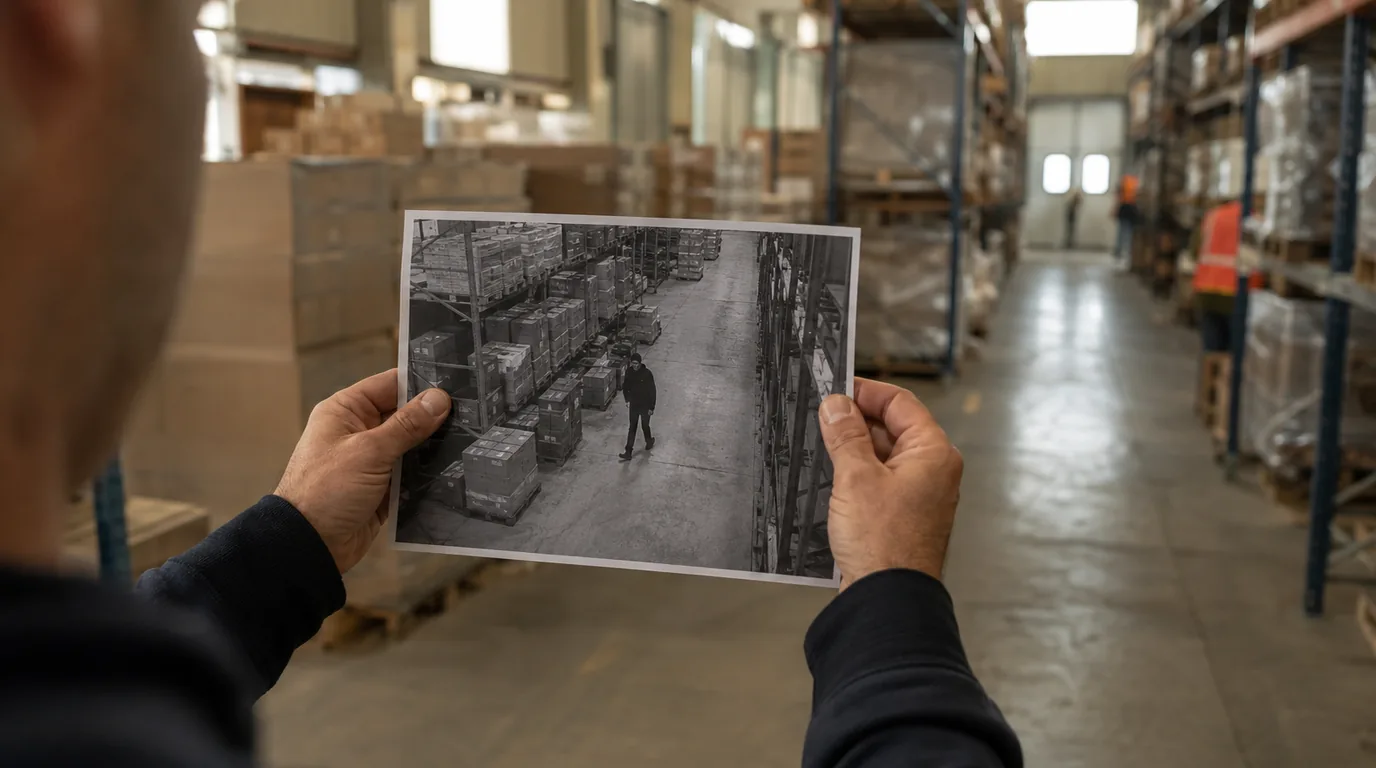
Every detection gets checked, and the checking is kept.
An AI model that is never checked against reality is a claim. GuardianEye’s AI is checked on every single output: a detection becomes a ticket, a supervisor reviews the incident evidence, and the ticket is closed as confirmed or as a false detection. Both outcomes are retained, with the reviewer’s name and the time. Run that over enough tickets and you have exactly what an accuracy figure would need — a measured rate of the model against a person’s judgement, not a number we assert once and never revisit.
- Confirmed
- The supervisor agrees with the detection. It stands as-is in the record.
- Closed as false detection
- The supervisor disagrees. The correction is kept, not discarded — it is evidence the review works.
- Nothing in between
- A ticket does not close itself. Every single detection gets one of these two outcomes, from a named person.
A detection traces back to what made it.
Every event that reaches Evidence Fabric carries model and agent details alongside the visual context, the policy that applied and the outcome. That means a detection is never just a frame with a timestamp — it is traceable to the specific model version that raised it, the module and agent it came from, and the rule it was checked against. When a model is updated, the record shows which version produced which detection, before and after.
- Source context
- Which camera, which zone, which module raised the detection.
- Model / agent details
- The specific model version behind the detection, kept with the event.
- Policy and authority context
- The configured rule the detection was checked against.
- Outcome
- Confirmed or false detection, and who decided.
What the EU AI Act asks for, answered
Article 15 of the EU AI Act requires high-risk AI systems to reach an appropriate level of accuracy and robustness, documented and maintained through the system’s lifecycle. Annex IV asks for technical documentation covering performance metrics, testing evidence and a change log. GuardianEye’s answer to that is built into the product rather than written up separately after the fact: the review loop is the ongoing accuracy test, Evidence Fabric’s model/agent metadata is the change log, and both exist for every detection, not a sample.
What is not yet public is a formal, independently audited accuracy figure or model card. That is a real gap against the letter of Annex IV, and it is next on the roadmap once we have enough of a live review history from a customer to report honestly. We would rather say that plainly than publish a number we have not measured.
Straight answers
Does GuardianEye publish an accuracy or false-positive rate?
Not yet, publicly. What is real today is the mechanism that produces that number: every detection is reviewed by a person and closed as confirmed or as a false detection, so the rate can be measured from the record at any time. Publishing it is on our roadmap once we have a customer's full review history to report from.
Who checks the AI is right?
A supervisor, on every single detection. Nothing is confirmed or closed until a person has looked, and that review — including a wrong detection corrected — is retained as part of the record.
What happens when the AI gets it wrong?
The supervisor closes the ticket as a false detection. That closure is not discarded — it stays in the record, with the reviewer's name, exactly like a confirmed one. A wrong detection that a person caught is evidence the review loop works, not something to hide.
Does Evidence Fabric record which model made a detection?
Yes. Model and agent details are part of what Evidence Fabric captures for every event, alongside source context, policy context and the outcome — so a detection can always be traced back to the model version that raised it.
Is this the same as TrustOps?
TrustOps is CloudSeals’ operating discipline across every application — policy boundaries, human approvals, retained evidence. This page is the part of that discipline specific to GuardianEye’s own AI: how its detections get checked, by whom, and what is kept when they do.
Start with one site.
A site assessment looks at the cameras you have, the rules that matter on your floor and how the evidence would reach your auditor. Twenty minutes to find out whether it fits.